


Navigating the requirements for SIWES in Nigeria can be a complex journey for many students.
As SIWES eligibility 2026 standards evolve, understanding the specific documents, ITF requirements, and associated costs becomes essential for a successful placement.
Whether you’re curious about who qualifies for SIWES, the typical duration of the programme, or common mistakes to avoid, having clear insights is crucial.
This article unpacks everything Nigerian students need to know about SIWES requirements 2026, from application essentials to why partnering with HiiT PLC offers unique advantages.
Explore the key factors that shape SIWES Nigeria and prepare confidently for this vital industrial training.
Who is SIWES for?
What documents do you need to apply for SIWES?
ITF Requirements?
Duration of SIWES
Costs Students May Face
Common Mistakes to Avoid
Why HiiT PLC is a Great Choice
Who is SIWES for?
The Students Industrial Work Experience Scheme (SIWES) is designed to provide practical training for Nigerian students enrolled in tertiary institutions. It primarily targets students in courses related to science, engineering, agriculture, technology, and medical fields, enabling them to gain hands-on experience in their areas of study. Understanding SIWES eligibility 2026 helps students prepare adequately for this essential program.
Students must meet specific SIWES requirements 2026 before enrolling, which typically include:
- Being registered in a recognized Nigerian university, polytechnic, or college of education.
- Currently enrolled in a program with an industrial training component.
- Meeting the minimum academic qualification needed to participate.
SIWES Nigeria is tailored to bridge the gap between theoretical knowledge and industrial practices. It is mandatory for students in disciplines where practical exposure is essential. In addition to individual students, institutions and employers also collaborate to ensure the scheme’s success.
Eligible students often must adhere to the following Requirements for SIWES:
- Obtain clearance from their academic department.
- Secure placement or an agreement with an industrial organization.
- Submit necessary documentation to the SIWES coordinating body.
By meeting these conditions, students can fully benefit from the SIWES training and enhance their employability upon graduation.
What documents do you need to apply for SIWES?
To successfully apply for SIWES in Nigeria, students must prepare several essential documents. These documents are part of the core SIWES requirements 2026 to ensure eligibility and smooth processing. Meeting the SIWES eligibility 2026 criteria involves submitting specific paperwork that verifies your academic standing and identity.
Applicants should gather the following documents for SIWES Nigeria:
- Completed SIWES application form: Usually obtained from your institution’s department or the SIWES portal.
- Letter of introduction: Issued by your institution, this letter confirms your status as a student eligible for SIWES.
- Academic transcript or examination slip: This verifies your academic record and course of study relevant to the SIWES placement.
- Passport-sized photographs: These are often required for identification and processing purposes.
- Identification documents: Such as a valid student ID card or national identification card.
- Evidence of payment: Proof of any applicable SIWES processing or registration fees.
By ensuring all these requirements for SIWES are ready and submitted on time, students can avoid delays and participate fully in the industrial work experience scheme for the year 2026.
ITF Requirements?
For students preparing to undertake their industrial training, understanding the ITF requirements is crucial. The Industrial Training Fund (ITF) plays a key role in the coordination and monitoring of SIWES Nigeria, ensuring students meet the right standards. To satisfy the Requirements for SIWES, the ITF outlines several conditions that must be adhered to for successful registration and participation.
Here are the primary SIWES requirements 2026 set by the ITF:
- Academic Qualification: Students must be enrolled in a Nigerian higher institution offering approved courses eligible for SIWES.
- Course Eligibility: Only students in science, technology, engineering, and related disciplines qualify.
- Pre-SIWES Registration: Students must register on the ITF portal, providing requisite details such as institution information, program of study, and duration of the industrial training.
- Training Placement: Securing placement in an accredited organization approved by ITF is mandatory to ensure valid experiential learning.
- Completion of Training Logbook: Students are required to accurately document their experience during SIWES.
These SIWES eligibility 2026 guidelines ensure compliance with ITF’s standards, enabling students to gain practical exposure and receive certification upon successful completion.
Duration of SIWES
The period allocated for the Students Industrial Work Experience Scheme (SIWES) typically varies depending on the institution and specific program, but the standard duration remains consistent across most Nigerian educational bodies. For students seeking to fulfill the Requirements for SIWES in 2026, understanding the time commitment is crucial for proper planning. Usually, the SIWES program runs for approximately six months.
During this timeframe, students are expected to gain hands-on industrial experience relevant to their course of study, which aligns with the SIWES eligibility 2026 guidelines. The exact duration may slightly differ based on the academic calendar of universities or polytechnics, but the core objective remains to provide practical exposure.
Key points about the duration include:
- SIWES Nigeria standard duration: six months
- Some institutions may extend to up to nine months based on curriculum demands
- Shorter periods are uncommon except in special circumstances
Adhering to this timeframe is essential for meeting the SIWES requirements 2026, ensuring that students complete sufficient industrial training before certification. The structured duration also helps supervisors and industry partners to coordinate effectively with participating students throughout the placement.
Costs Students May Face
Participating in the Student Industrial Work Experience Scheme (SIWES) in Nigeria involves some financial considerations that students should be aware of. Understanding the Requirements for SIWES ensures students are prepared for potential expenses during their industrial attachment. While SIWES itself is a crucial element of technical education, the costs associated may vary depending on the location and nature of the placement.
Students meeting the SIWES eligibility 2026 should anticipate the following common costs:
- Registration Fees: Institutes may charge students a registration fee to process SIWES documentation and facilitate placement.
- Transportation Costs: Traveling to and from the workplace is often a significant expense, particularly if the placement location is far from the student’s institution.
- Accommodation: For placements outside the student’s home region, renting accommodation might be necessary.
- Personal Expenses: Daily meals, communication, and other miscellaneous expenses can add up.
In light of SIWES Nigeria guidelines, it is advisable to budget carefully to meet these demands. Staying informed about the SIWES requirements 2026 helps students manage the financial implications effectively and focus on gaining valuable industrial experience.
Common Mistakes to Avoid
Understanding the Requirements for SIWES is crucial to ensure a smooth industrial attachment experience. Many students often fall short of meeting the SIWES eligibility 2026 criteria, leading to delays or disqualification from the program. One frequent error is neglecting proper documentation, which is a fundamental part of the SIWES requirements 2026. It’s important to verify all paperwork before submission.
Another common mistake is ignoring the deadline for registration with the SIWES Nigeria portal. Falling behind on this process can hinder participation. Additionally, students sometimes fail to secure a valid placement or confirm their placement details with their institution, which affects compliance with SIWES policies.
To avoid these issues, focus on the following key aspects:
- Ensure all academic records and identification are accurate and up to date.
- Submit all required forms and letters as outlined in the official SIWES requirements 2026.
- Register early on the designated SIWES platform to guarantee eligibility verification.
- Confirm your availability and agreement with your industrial supervisor.
Being proactive about these steps helps align your internship journey with the SIWES framework and meet all necessary standards effectively.
Why HiiT PLC is a Great Choice
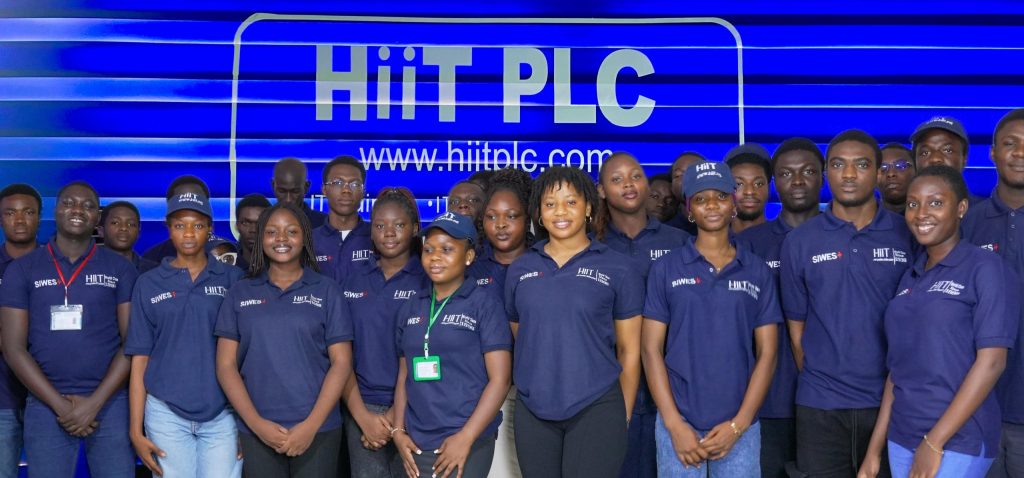
Choosing an appropriate industrial training provider is essential to meet the Requirements for SIWES. HiiT PLC stands out, especially for students aiming to fulfill their SIWES eligibility 2026. The organization offers hands-on experience tailored to the demands of various disciplines, ensuring that candidates meet the SIWES requirements 2026 effectively. Being a recognized company within SIWES Nigeria, HiiT PLC understands the importance of bridging the gap between academic learning and real-world applications.
Key benefits of training with HiiT PLC include:
- Exposure to industry-standard technology and processes relevant to many disciplines.
- Structured training programs aligned with SIWES objectives.
- Professional mentorship from experienced experts guiding students through practical challenges.
- Comprehensive reporting and documentation support required for validating training completion.
These advantages make HiiT PLC a reliable partner in ensuring students satisfy all SIWES criteria. To make the most of the industrious phase, understanding the specific Requirements for SIWES when enrolling with HiiT PLC is crucial. This partnership amplifies students’ learning experiences and facilitates compliance with the standards set for SIWES Nigeria participation. To begin your SIWES journey, visit https://www.hiitplc.com/siwes/orientation-page/
The key takeaways
Understanding the SIWES requirements 2026 is vital for Nigerian students aiming to enhance practical skills through the program.
Key SIWES eligibility 2026 criteria include proper documentation, ITF registration, and awareness of the program’s duration and associated costs.
Avoiding common mistakes ensures a smooth SIWES Nigeria experience, while selecting reputable partners like HiiT PLC can improve placement quality.
Staying informed about the specific requirements for SIWES helps students meet all conditions and successfully complete their industrial training.
Being well-prepared maximizes the benefits of SIWES and supports career readiness in Nigeria’s competitive job market.